
Italian kitchen cabinets are famous for their elegance, quality, and practicality. They blend modern design and traditional craftsmanship, creating a functional and stylish space that is the heart of every Italian home. This article will explore the charm, key features, benefits, and types of Italian kitchen cabinets. Whether renovating your kitchen or designing a new one, you'll find this guide invaluable in making informed decisions.
Italian kitchen cabinets reflect Italy's rich tradition of fine furniture making. They are characterized by exceptional craft, innovative design, and attention to detail. These traits have made Italian cabinets popular worldwide, making them a sought-after choice for homeowners, interior designers, and architects.
As a homeowner, you might wonder what sets Italian cabinets apart from other available options. This guide will delve into the unique charm of Italian kitchen design, explaining why these cabinets are the epitome of luxury and style.

Source: OPPEIN
Italian kitchen design is renowned for its blend of functionality and aesthetics. It reflects Italy's rich cultural heritage, combining centuries-old craftsmanship with contemporary innovation. This unique blend gives Italian kitchen cabinets a timeless appeal, making them perfect for any style, from traditional to modern.
The charm of Italian kitchen design lies in its capacity to foster a cozy and welcoming ambiance. Italian kitchens are designed for family gatherings, with spacious layouts and comfortable seating. The cabinets are often crafted from high-quality materials, featuring intricate designs and finishes that add a touch of elegance and sophistication.
Furthermore, Italian kitchen design is characterized by its emphasis on natural light and open spaces. This design philosophy makes Italian kitchens feel spacious and airy, enhancing the overall comfort of the room. The cabinets are typically designed with clean lines and minimalist aesthetics, contributing to the kitchen's sleek and modern look.

Source: OPPEIN
There are several benefits to choosing Italian kitchen cabinets for your home. Firstly, these cabinets are built to last. They are crafted from high-quality cabinet materials and finished with durable coatings, ensuring they can withstand the rigors of daily use.
Secondly, Italian kitchen cabinets offer exceptional design flexibility. They are available in various styles, from traditional to modern, and can be customized to fit any kitchen layout. This makes it easy to create a kitchen that is uniquely yours.
Lastly, Italian kitchen cabinetry can increase the value of your home. Regarded as a luxury item, they can significantly enhance the appeal of your kitchen. Whether you're planning to sell your home or simply want to enjoy a beautiful and functional kitchen, Italian cabinetry is an investment worth making.
Italian kitchen cabinets come in various styles, each with unique features and benefits. Some popular types include traditional Italian cabinets, modern Italian cabinets, and Italian-style farmhouse cabinets.

Source: OPPEIN
Traditional Italian cabinets often feature intricate detailing, rich colors, and luxurious materials. They are perfect for homeowners who prefer a classic and elegant kitchen design.

Source: OPPEIN
On the other hand, modern Italian cabinets are known for their sleek lines, minimalist aesthetics, and innovative storage solutions. They are ideal for those who want a contemporary and stylish kitchen.

Source: OPPEIN
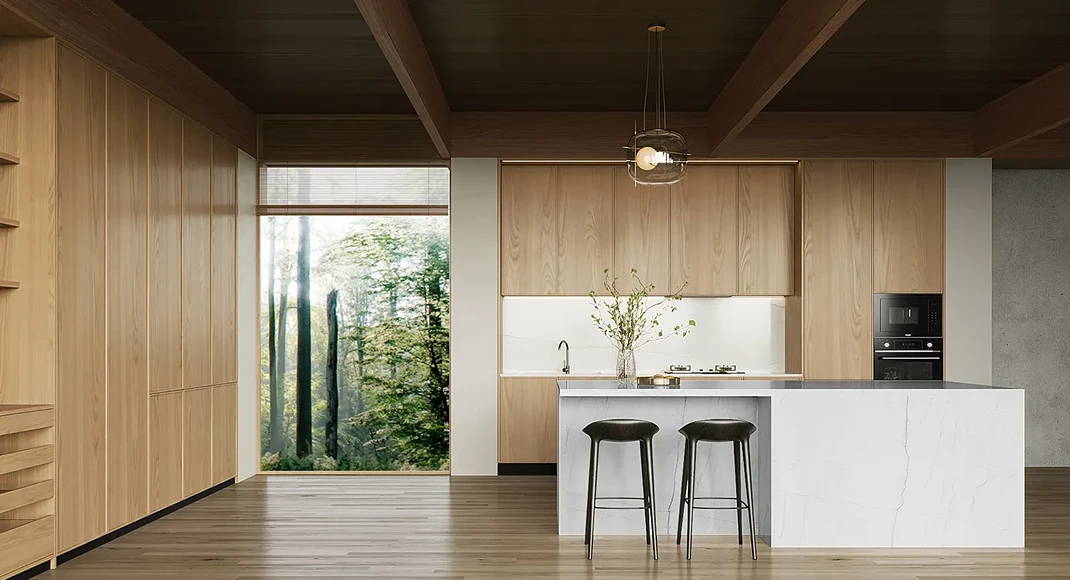
Italian-style farmhouse cabinets combine rustic charm with modern amenities. They often feature natural wood finishes, open shelving, and industrial accents, creating a warm and inviting kitchen space.

Source: OPPEIN
Choosing the right Italian kitchen cabinets for your home can be daunting, given the many options available. However, you can find the perfect cabinets for your space by considering your kitchen layout, design preferences, and budget.
Firstly, consider your kitchen layout. The kitchen's size and shape will determine the type and dimensions of cabinets you need. For example, if you have a small kitchen, you might opt for Italian cabinetry with smart storage solutions to maximize space.
Secondly, think about your design preferences. Do you prefer a classic and elegant kitchen, a sleek and modern one, or a rustic and cozy one? Your design preferences will guide you in choosing your Italian kitchen cabinets' style, color, and finish.
Lastly, consider your budget. Italian cabinets are a significant investment, so choosing cabinets that fit your budget is essential without compromising quality.

Source: OPPEIN
Italian kitchen cabinets are designed to last but require regular maintenance to keep them looking their best. Regular cleaning, proper handling, and timely repairs are key to maintaining your cabinets' aesthetic appeal and practicality.
Opt for a gentle cloth and a mild cleaning solution to clean your cabinets. Avoid harsh abrasives or scouring pads that might damage the cabinet surfaces. Additionally, protect your cabinets from too much humidity to prevent the wood's warping or the finish's peeling.
Handle your cabinets with care. Avoid slamming the doors or drawers, and use the handles or knobs when opening and closing them. If you notice any damage, such as a loose hinge or a chipped finish, repair it immediately to prevent further damage.

Source: OPPEIN
There are several places where you can buy quality Italian kitchen cabinets. You can visit local home improvement stores, kitchen design showrooms, or online retailers. It's essential to do your research and compare prices before making a purchase.
You can also hire a kitchen designer or contractor specializing in Italian kitchen design. They can help you choose the right cabinets for your space and ensure they are installed correctly.
When buying Italian kitchen cabinets, look for brands known for their quality and craftsmanship. Read customer reviews and check the warranty terms to ensure you get a good deal.

Source: OPPEIN
There are many Italian kitchen cabinet brands, each offering its unique style and quality. Some of the top brands include OPPEIN, Aran Cucine, Scavolini, Pedini, Valcucine, and Marchi Cucine. These brands are known for their exceptional craftsmanship, innovative designs, and commitment to quality.
Other notable Italian kitchen cabinet brands include Veneta Cucine, Aster Cucine, Snaidero, Effeti, and Doimo Cucine. These brands offer various styles, from traditional to modern, and are renowned for their high-quality materials and finishes.
Whether you're looking for a luxurious Italian kitchen or a simple and functional one, these brands have something to offer. Explore their collections to find the perfect Italian kitchen cabinets for your home.

Source: OPPEIN
The cost of Italian kitchen cabinets can vary greatly, depending on the brand, style, materials, and customization options. On average, they cost between $500 and $1,500 per linear foot.
While this may seem expensive compared to other types of kitchen cabinets, it's important to remember that Italian cabinets are a significant investment. They are known for their superior quality, stunning design, and long lifespan, making them worth every penny.
Before buying Italian kitchen cabinets, it's recommended to set a budget and stick to it. Consider the cost of the cabinets, installation, and any additional expenses, such as hardware or custom features.
In conclusion, Italian kitchen cabinetry is an excellent investment for any homeowner. They offer a unique style, functionality, and durability mix, making them a standout choice for any kitchen design.
Italian kitchen cabinets are known for their superior quality, intricate designs, and innovative features. They can transform any kitchen into a luxurious and comfortable space, enhancing the overall appeal of your home.
Whether renovating your kitchen or designing a new one, consider investing in Italian cabinetry. They will add value to your home and provide you with a kitchen you'll love for many years.
1. What sets Italian kitchen cabinets apart?
Italian cabinets combine traditional craftsmanship with modern design, using premium materials for durability and elegance. Unlike mass-produced options, they offer superior quality and customizable styles.
2. Are they suitable for modern homes?
Yes. Their sleek lines, handleless designs, and smart storage solutions fit perfectly in contemporary open-concept spaces, balancing luxury with practicality.
3. How long do they last?
With proper care, Italian cabinets can last decades. Their craftsmanship and materials ensure longevity, often backed by strong warranties.
4. What are the main styles?
Three key styles:
Traditional: Classic elegance with rich wood and ornate details.
Modern: Clean, minimalist, and functional.
Farmhouse: Rustic charm with refined craftsmanship.
5. Can they work in small kitchens?
Absolutely. Custom designs maximize space with clever storage, pull-outs, and vertical options, making small kitchens highly functional.
6. How to choose between styles?
Match your home’s architecture and lifestyle: traditional suits classic homes, modern fits contemporary spaces, and farmhouse works well for casual, warm environments.
7. What is the cost?
Italian cabinets are a premium investment. Prices vary by style, materials, and customization. Consider total costs including installation and maintenance.
8. Are they worth it?
For many, yes. They add lasting value, durability, and timeless beauty, enhancing daily life and resale appeal.
9. How to maintain them?
Regular cleaning with appropriate products, avoiding harsh chemicals, and prompt spill management preserve their look. Follow manufacturer care instructions for best results.
10. How to assess quality?
Look for solid wood, precise joinery, smooth hardware, and reputable brands with warranties. Ask about construction and materials.
11. Where to buy?
Choose authorized dealers or showrooms specializing in Italian cabinetry for expert guidance and proper installation.
12. How long does the process take?
Expect several months from selection to installation due to customization and quality control. Planning ahead ensures smooth progress.


Jane is an Editor at OPPEIN Home, specializing in interior design and furniture. With nearly 10 years of experience, she turns complex design ideas into clear, engaging content—covering cabinetry trends, how-to guides, and product stories—to help homeowners find stylish, practical solutions.




 Facebook
 Twitter
 LinkedIn
