
Brown kitchen cabinets have stood the test of time for good reason. They bring a natural warmth and richness to the heart of your home that few other color choices can match. I've designed countless kitchens over my 15-year career, and brown cabinets remain one of my most requested options—especially for homeowners seeking that perfect balance between timeless appeal and practical functionality.
But here's the thing about brown cabinets: they're incredibly versatile yet sometimes misunderstood. Too often, I meet clients who worry their brown cabinets will make their kitchen feel dated or dark. Nothing could be further from the truth when they're incorporated thoughtfully into a well-designed space.
Let's explore how to create a warm, inviting kitchen that showcases the natural beauty of brown cabinetry while feeling thoroughly contemporary and bright. After all, shouldn't your kitchen be both beautiful and a joy to use?

Source: OPPEIN
Brown isn't just a color choice—it's a mood-setter. Psychologically speaking, brown tones evoke feelings of stability, reliability, and earthiness. They ground a space and create an immediate sense of comfort that more trendy colors often fail to deliver.
In my experience working with clients who initially hesitated about brown cabinets, I've found that once they understand the psychological benefits, they're much more open to embracing these warm tones. Brown creates a natural backdrop for both quiet morning coffees and lively dinner parties—it's inherently adaptable to whatever energy you bring to the space.
What often surprises people is how brown cabinets can actually make a kitchen feel more spacious rather than smaller. The depth and dimension in the wood grain creates visual interest that flat, one-dimensional colors simply can't provide. This natural variation gives your eye something to explore, making the space feel richer and more layered.

Source: OPPEIN
Lighter brown tones—think honey, amber, and caramel—bring warmth without heaviness. They're particularly effective in smaller kitchens or spaces with limited natural light. These lighter browns reflect more light around the room while still providing that coveted wood grain character.
I recently completed a galley kitchen renovation where we used honey-toned oak cabinets. The homeowner was initially concerned about the narrow space feeling cramped, but the light brown cabinets paired with white walls created a bright, airy feel while still maintaining the warmth she craved. She now tells me it's her favorite room in the house—not bad for what was once considered the most challenging space!

Source: OPPEIN
On the deeper end of the spectrum, chocolate and espresso brown cabinets create dramatic, sophisticated spaces. These darker tones work beautifully in larger kitchens or spaces with abundant natural light. They anchor the room and create a stunning contrast when paired with lighter elements.
Have you ever noticed how a dark brown wooden table seems to disappear in a poorly lit room but becomes a stunning focal point when properly illuminated? The same principle applies to dark brown cabinets. It's all about balance and thoughtful lighting design.

Source: OPPEIN
Brown cabinets with reddish undertones bring a classic, timeless quality to kitchens. Cherry, mahogany, and other red-brown woods have graced fine furniture for centuries, and they bring that same sense of craftsmanship and heritage to your kitchen.
Case studies show that kitchens with red-brown cabinets tend to feel more formal and traditional, even when other elements in the space are quite contemporary. This makes them particularly versatile for homeowners who appreciate traditional craftsmanship but don't want their kitchen to feel like a time capsule.
The beauty of brown cabinets lies in their versatility—they play well with nearly any color palette. But some combinations create particularly striking results.

Source: OPPEIN
Brown and white is a classic combination for good reason. The contrast creates visual interest while maintaining a serene, balanced feel. In my experience, slightly warmer whites (cream, ivory, or soft white rather than stark white) create the most harmonious pairings with brown cabinets.
For a kitchen I designed last year, we paired walnut island cabinets and wall cabinets with high cabinets in a warm ivory. The result was striking yet comfortable—the perfect backdrop for the family who loves to entertain but also wanted their everyday space to feel relaxed and welcoming.

Nature-inspired color combinations never go out of style. Brown cabinets paired with blues or greens create a palette that feels simultaneously fresh and grounded. Think of a forest floor (brown) meeting the sky or water (blue), or brown tree trunks surrounded by green foliage—these combinations feel right because we see them in the natural world.
Would you believe that one of my most complimented kitchen designs featured chocolate brown cabinets with a deep teal island? The homeowners were nervous about the combination until I showed them how these colors appear together in nature. Now their kitchen is the envy of the neighborhood!

Source: OPPEIN
Brown cabinets sing when paired with warm metallics like brass, copper, and bronze. These combinations feel rich and cohesive because they share underlying warm undertones. The metallic elements add a necessary bit of sparkle and reflection to balance the solid presence of the wood.
And here's a little designer secret: mixing metallic finishes actually creates a more authentic, evolved look than perfectly matching every fixture. Try brass cabinet hardware with copper pendant lights, or bronze faucets with antique brass cabinet pulls. Just keep all your choices in the warm metal family for a cohesive look.
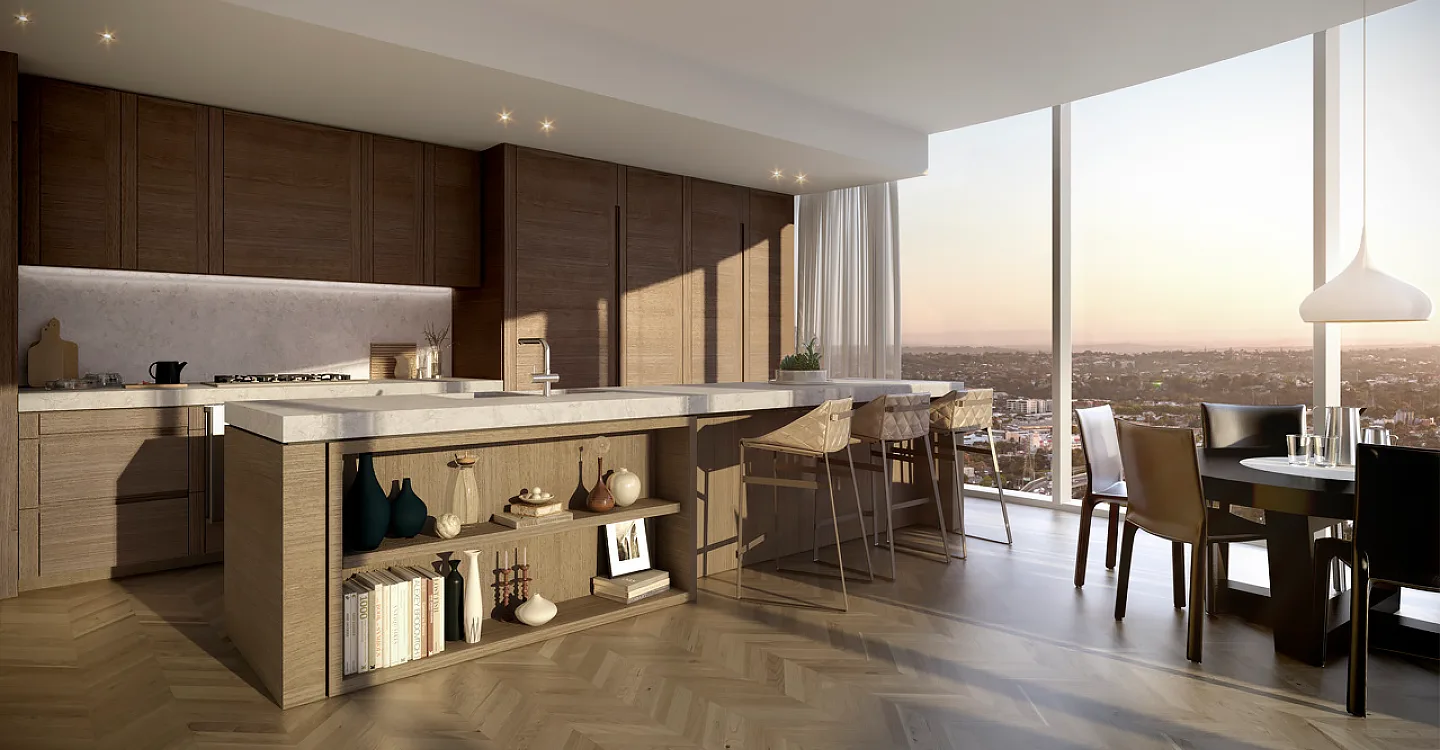
The right countertop can make or break your brown cabinet kitchen. It's not just about aesthetics—it's about creating the right relationship between your primary work surface and your cabinetry.
Source: OPPEIN
The high contrast between brown cabinets and light stone countertops creates a dynamic, eye-catching kitchen. Marble and quartzite with their natural veining add movement and organic patterns that complement the natural character of wood cabinets.
In my experience, white marble with gray veining creates a crisp, clean contrast with brown cabinets, while marble with gold or beige veining creates a warmer, more cohesive look. Both approaches work beautifully—it's just a matter of the overall feeling you're trying to create.
For a more casual, organic kitchen, consider wood countertops paired with brown cabinets. But wait—wouldn't that be too much wood? Not necessarily! The key is creating enough contrast between the cabinet color and the countertop wood species.
I recently designed a mountain retreat kitchen with rich walnut cabinets paired with light maple butcher block countertops. The contrast in color and grain patterns created visual interest while maintaining the natural, rustic vibe the homeowners wanted. Five years later, both the cabinets and countertops have developed a beautiful patina that tells the story of countless family gatherings.
For a more contemporary take, consider pairing brown cabinets with concrete countertops or other industrial materials. This combination of warm, natural wood with cooler, man-made surfaces creates an intriguing tension that feels thoroughly modern.
What often surprises people is how homey and inviting this combination can feel. The warmth of the brown cabinets softens the industrial edge of the concrete, creating a space that feels contemporary but not cold or sterile.

Source: OPPEIN
Lighting can make or break any kitchen design, but it's particularly crucial when working with brown cabinets. Thoughtful lighting transforms brown from potentially dark and heavy to rich and dimensional.
Case studies consistently show that kitchens with layered lighting—combining ambient, task, and accent lighting—receive higher satisfaction ratings from homeowners. This is especially true for kitchens with brown cabinets, where proper lighting reveals the depth and character of the wood grain.
Under-cabinet lighting isn't just practical for task work—it also creates a warm glow that highlights the texture of your backsplash and countertops. In brown cabinet kitchens, this layer of light creates essential contrast and prevents the cabinets from visually overwhelming the space.
But here's a mistake I see all too often: relying solely on recessed ceiling lights. While these provide good general illumination, they can create harsh shadows and don't adequately highlight the beauty of brown cabinets. Instead, combine recessed lighting with pendant lights, sconces, and under-cabinet lighting for a fully dimensional space.
Your backsplash creates a critical visual bridge between your cabinets and countertops. It's also an opportunity to add personality and character to your kitchen.

Source: Sharipellowsinteriors
Classic white subway tile creates beautiful contrast with brown cabinets, but consider variations that add visual interest: larger formats, handmade tiles with slight irregularities, or subtle patterns in how they're installed.
In my experience, cream or soft white subway tiles create a more harmonious look with brown cabinets than stark white tiles, which can sometimes create too harsh a contrast. The slight warmth in the tile color creates a more cohesive overall design.

Source: OPPEIN
Marble, travertine, and limestone backsplashes bring natural variation that complements the organic quality of wood cabinets. The veining and subtle color variations in natural stone create a sophisticated, timeless backdrop for brown cabinetry.
Have you noticed how certain combinations just feel right together? That's often because they occur together in nature. Brown wood and natural stone have this inherent compatibility that creates spaces that feel simultaneously designed and organic.
Glass tile, especially in reflective or metallic finishes, adds necessary light reflection to brown cabinet kitchens. These surfaces bounce light around the room, preventing darker cabinets from absorbing too much light.
One of my favorite recent designs featured espresso brown cabinets paired with a backsplash of bronze-tinted mirror tiles. The combination was stunning—rich and dramatic while still feeling bright and open thanks to the light-reflecting properties of the mirrored surface.
The magic of a truly successful kitchen design often lies in the details—those finishing touches that might seem small but make a significant impact on how the space feels and functions.
Hardware selection can dramatically change the feel of brown cabinets. Traditional bin pulls and knobs in antique brass or bronze enhance the classic appeal of brown wood, while sleek, minimal hardware in matte black or brushed nickel creates a more contemporary aesthetic.
And don't forget the power of natural elements to enhance the organic quality of brown cabinets. A few strategically placed plants bring life and color to the space while reinforcing the natural character of wood cabinetry.
In my experience designing hundreds of kitchens, I've found that brown cabinet kitchens age particularly well when they incorporate timeless materials and thoughtful details. Unlike trendy colored cabinets that can quickly feel dated, quality brown cabinetry develops character over time, becoming more beautiful as it develops a patina that tells the story of your family's life in the heart of your home.
After all, isn't that what we really want from our kitchens? Not just a pretty space for Instagram photos, but a warm, functional heart of the home that serves as the backdrop for countless family memories? Brown cabinets offer that rare combination of beauty and staying power that makes them a choice you'll appreciate for years to come.


Jane is an Editor at OPPEIN Home, specializing in interior design and furniture. With nearly 10 years of experience, she turns complex design ideas into clear, engaging content—covering cabinetry trends, how-to guides, and product stories—to help homeowners find stylish, practical solutions.


 Facebook
 Twitter
 LinkedIn
